A True Story
About pain, resilience, and the choice one family wishes their loved one had been given
Charlie was a Korean War veteran who was badly hurt in combat. The fact that he survived was a miracle.
After a long recovery in a military hospital, he returned home to his wife and children in Michigan. He eventually started his own business and built a good life for his family, despite the pain from his war injuries that never completely disappeared.
But it wasn.t the combat injuries that ultimately stole so much of his joy.
It was chronic back pain.
A constant, draining pain that back surgery had failed to relieve.

Charlie came home from war, raised a family, and built a business despite years of pain.
Why Am I Telling You About Charlie?
Because he was one of the greatest people I ever met.
He was also my stepfather.
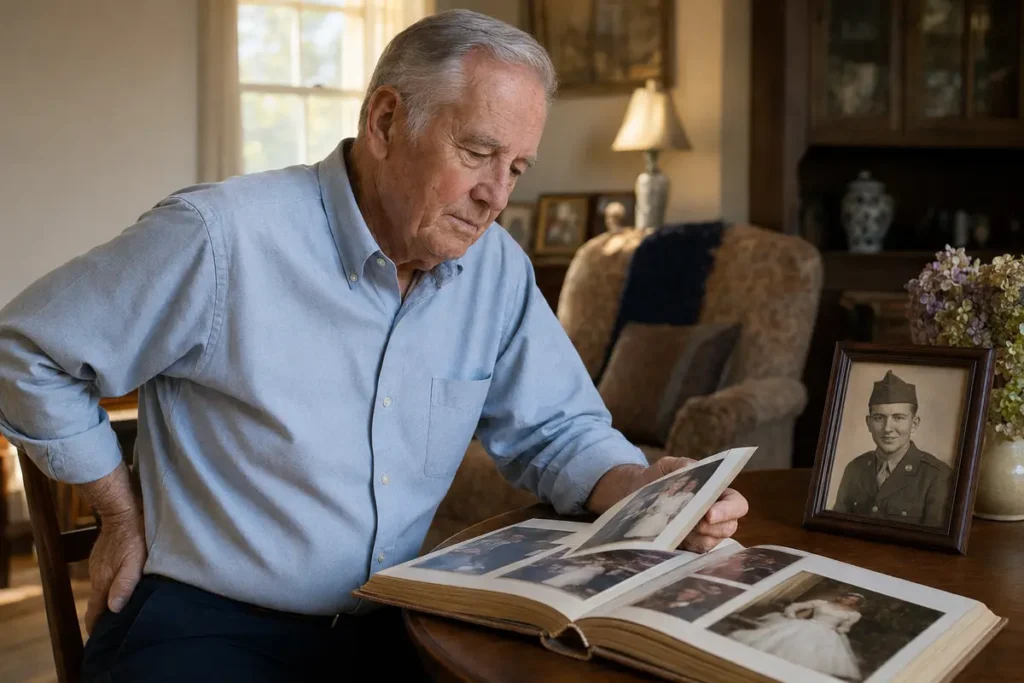
Nearly 12 years after Charlie passed away, my wife and I were looking through pictures from our wedding when we noticed something that shook us both.
In every photograph, Charlie looked as though he was in agony.
He never complained. That was not his way. But the pain was written across his face, and seeing it so clearly years later broke our hearts.
We remembered the few months we lived with my mom and Charlie after our wedding. Almost every night, we had to be careful walking through the living room because he would be lying on the floor, trying to find a position that gave him even a little relief.

The Question I Could Not Shake
What might Charlie’s life have looked like if he had found a gentler option before surgery?
Would an approach focused on rebuilding support and changing everyday movement have given him a different path?
No one can know whether another program would have changed Charlie’s outcome. His medical history was his own, and back pain is different for every person.
Still, I could not stop wondering what might have happened if he had been shown something that did more than temporarily quiet the pain. What if he had learned how to improve the movement patterns and support system affecting his back every day?
That question led me to research non-surgical options for back pain.
What My Search Taught Me
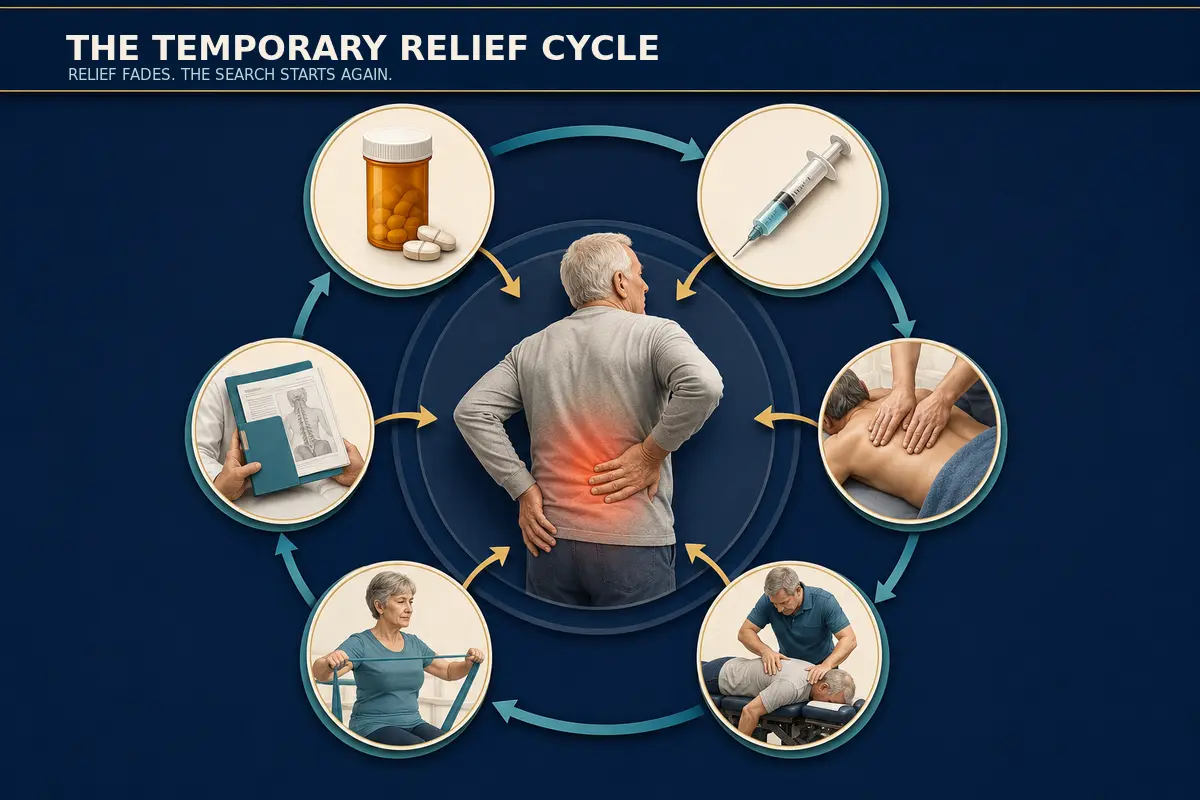
Medication and injections may help some people manage symptoms. Massage, chiropractic care, acupuncture, yoga, and other non-drug approaches may also provide meaningful relief for certain individuals. Physical therapy can be an important part of treatment and recovery.
But results vary, and many people still find themselves moving from one appointment, treatment, or short-term fix to the next without feeling confident in their own bodies.
The Missing Piece I Kept Coming Back To
Relief matters. But so does learning how to support and move the body differently every day.
That is what made one particular approach stand out to me. It was not built around a single adjustment or passive treatment. It was designed to help people retrain movement and reconnect with the deep-core support around the spine.
Charlie never had the chance to learn that. But I found someone whose own pain led him to spend years studying it.
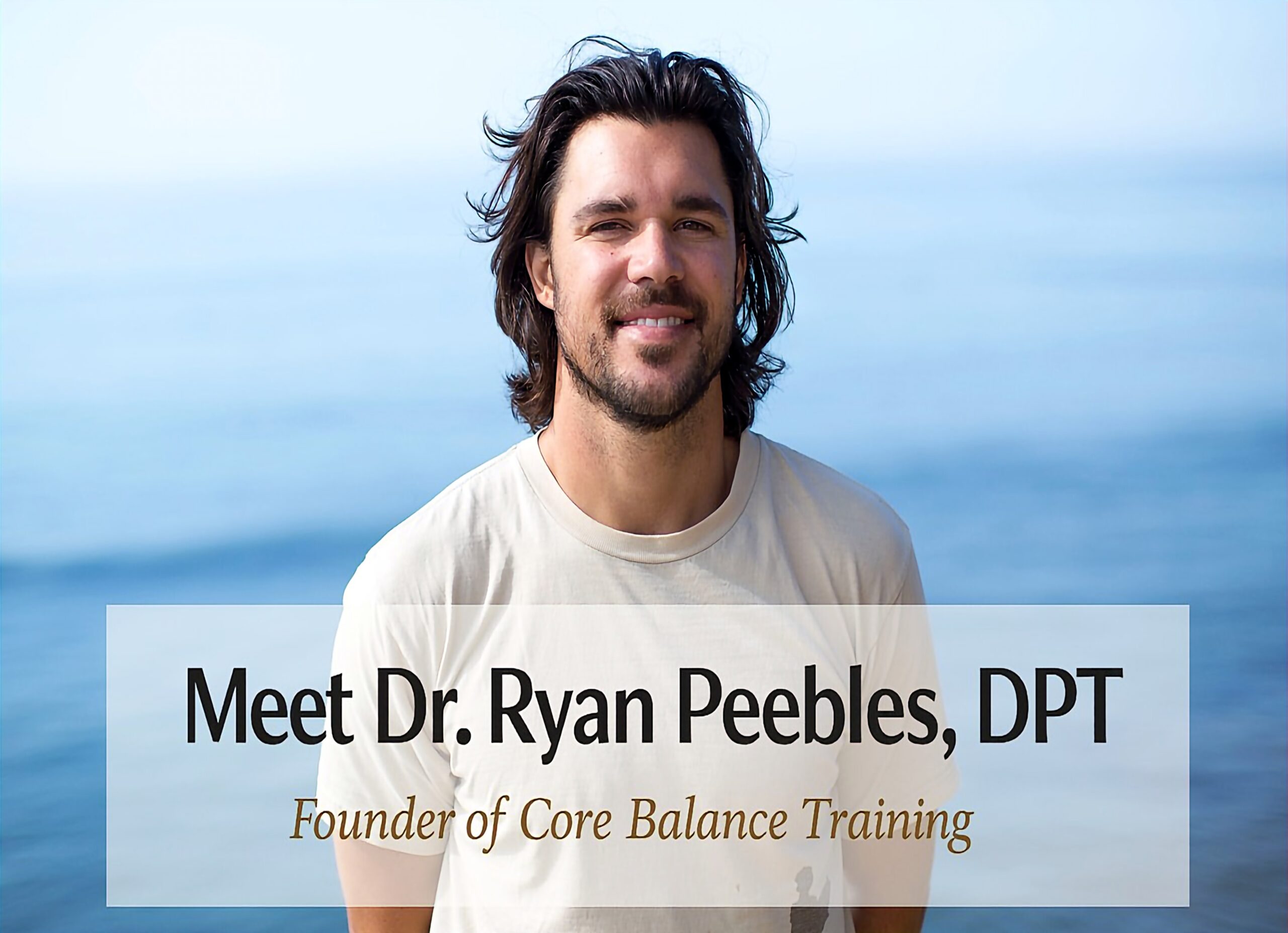
Meet the Creator: Dr. Ryan Peebles, DPT
The Man Behind the Program
Dr. Ryan Peebles
A Doctor of Physical Therapy whose approach grew from his own long struggle with chronic back pain.
20+ Years of Experience
30,000+ Members
When I first learned about Dr. Ryan, I could not help seeing pieces of Charlie’s struggle in his story.
Ryan was still a teenager when his back began to betray him. By his early twenties, doctors were warning him that he might be in a wheelchair by age 30.
He tried chiropractic adjustments, physical therapy, acupuncture, massage, injections, yoga, and experimental techniques. Yet he continued to wake up in pain and feel his world getting smaller.
Like Charlie, he knew the frustration of hearing that surgery might be the only option left.
Ryan refused to accept that future. He became determined to understand why his body was struggling. He studied human movement, tested ideas on himself, and eventually pursued a doctorate in physical therapy, graduating with high honors.
His education taught him how to treat individual joints, manage symptoms, and follow established protocols. His own experience pushed him to ask a broader question:
What if the body should be treated as one connected system rather than a collection of separate parts?
The Deep-Core “Anchors” That Help Support the Spine
Dr. Ryan’s approach focuses on deep-core muscles that help stabilize and support the spine. For some people, those muscles may not coordinate effectively during everyday movement, leaving the back to carry more strain than it should.
His goal was to create a progression that helps people reconnect with that support, then carry it into standing, walking, lifting, and the activities that make up daily life.
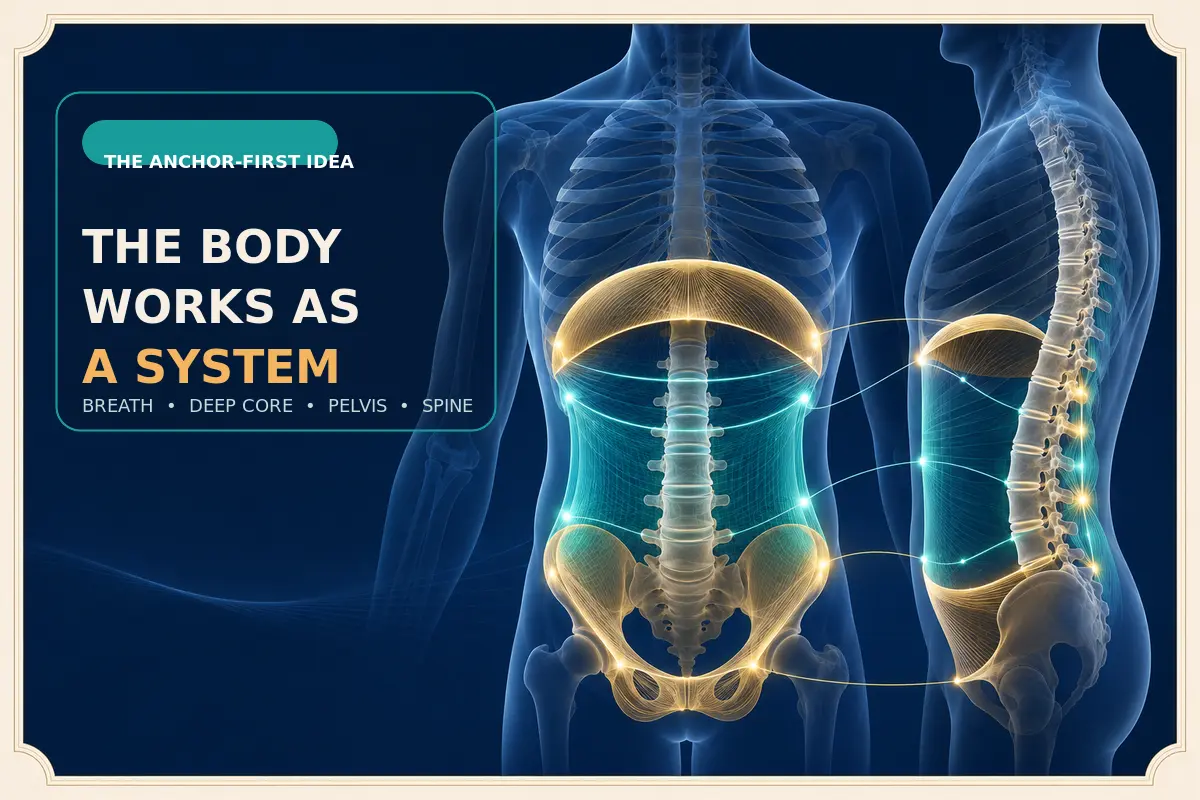
As Ryan learned to engage those muscles more effectively, his own pain and fear began to ease. He moved with greater confidence again.
What began as a personal search eventually became a structured online program called Core Balance Training.
Why Core Balance Training Caught My Attention
What struck me first was how simple and accessible the starting point appeared.
- ✓No hours spent driving back and forth to a clinic
- ✓No complicated equipment or intimidating workouts
- ✓A progressive system designed to be followed at home
The Daily Commitment
About 15 Minutes a Day

The program begins with gentle, floor-based movements and progresses step by step. The exercises are intended to improve core connection, posture, and the way the body supports itself during daily movement.
Some participants report noticing changes quickly. Others need more time and steady practice. Results naturally vary, but the goal is progress that carries beyond a single session.
12
Progressive Modules
15
Minutes Per Day
LIVE
Weekly Q&A Sessions
30
Day Guarantee
Try the Complete Program Free for 7 Days
See Whether This Gentle Starting Point Feels Right for You
Get instant access to the 12 progressive modules, daily movement guidance, weekly live Q&A sessions, and member support.
No charge during the 7-day trial. Membership continues at $99 per month unless canceled. Paid membership is backed by a 30-day money-back guarantee. Individual results vary.
If you want a closer look before deciding, you can read our complete guide to what Core Balance Training is and how its 15-minute routine works.
The Choice Charlie Never Had
I have read stories from Core Balance Training members who once felt resigned, defeated, and afraid of what the future held, but who began enjoying parts of life that pain had taken from them.
Every time I read one, I think of Charlie.
I think about how much I wish he could have known what it felt like to stand with less pain, walk with less fear of the next flare-up, and play with his grandchildren without discomfort stealing the moment.
Charlie’s final years were marked by restless nights on the living-room floor and the quiet misery of a man who had already endured so much.
Why I Am Sharing His Story
Because you still have a choice.
You may not have to keep relying only on options that are not giving you enough relief. And if you are considering a major procedure, it may be worth asking your healthcare provider whether an appropriate, progressive movement program belongs in your plan.
Core Balance Training will not be the right answer for every person or every medical condition. But for someone who wants a gentle, guided way to rebuild core support at home, it offers a path worth exploring.
A Gentle, At-Home First Step
Before You Make a Drastic Decision, Explore Another Option
Use the free trial to experience the opening lessons and decide whether Dr. Ryan’s approach makes sense for you.
No charge during the 7-day trial. Cancel before the trial ends to avoid the $99 monthly membership charge. Individual results vary. Consult your healthcare provider before beginning.
You can also see how Core Balance Training compares with six other non-surgical back pain approaches.
Fifteen Minutes a Day Can Be a Beginning
If back pain is stealing your joy, I urge you to learn more before making any drastic decision.
You do not have to decide everything today. You can simply give yourself seven days to see how the opening steps feel and whether this approach deserves a place in your life.
- ✓No medication required by the program
- ✓No injections required by the program
- ✓No surgery required to participate
Life is too short to let back pain take more of it without exploring the options available to you.
Start Today
Charlie Never Had This Choice. You Do.
Begin with the free 7-day trial and see whether 15 minutes a day can help you move toward greater comfort, confidence, and freedom.
No charge during the trial. Membership continues at $99 per month unless canceled. Paid membership is backed by a 30-day money-back guarantee. Individual results vary.
Sponsored, Affiliate & Medical Disclaimer
This sponsored article includes affiliate links. Living Better After 50 may receive compensation if you choose to purchase through a link, at no additional cost to you. This story reflects the author’s personal experience and opinions. The information provided is for educational purposes only and is not intended to diagnose, treat, cure, or prevent any medical condition. Core Balance Training is not a substitute for individualized medical care. Individual results vary. Always consult a qualified healthcare provider before beginning a new exercise or wellness program, especially if you have severe pain, new or worsening symptoms, a recent injury, or a diagnosed medical condition.