The other day, I tried something called a “HIIT” workout in my living room. No, it has nothing to do with Mixed Martial Arts or boxing (I’m way too delicate for all that!)…
It actually means high-intensity interval training – quick bursts of effort followed by recovery.
By minute five I was winded, the dog was confused by my jumping jacks, and my daughter asked…
“Mom… you’re not filming this for Instagram, are you?”
All joking aside… THIS WAS LEGIT.
I found that after just a few minutes of interval-style movement you feel more awake. Almost like someone flipped your internal brightness setting back up.
So, let’s talk about why energy dips after 50, and how tiny, doable shifts can bring it right back.
Why Our Energy (and Focus) Dip After 50
Things change as we age — gracefully, yes, but noticeably.
Harvard Health explains that we naturally lose some mitochondria, the tiny “power plants” inside our cells that produce energy.
We also lose muscle mass over time, which means fewer engines available to generate that energy.
Add in stress, spotty sleep, and years of convenient-but-processed foods and… well, no wonder we feel like we’re running on 27%. But here’s the good part…
Your body responds incredibly well to simple, consistent nudges — especially movement, nutrition, hydration, and rest. Even tiny tweaks can boost your energy in big ways.
Eat for Steady Energy (Not the Sugar Rollercoaster)

Skipping breakfast might feel “light,” but research shows it can tank your energy and make focusing harder.
A registered dietitian at Cleveland Clinic notes that people who eat breakfast perform better at tasks and feel more energized than those who skip it.
Try choosing foods that release energy slowly, such as:
- oatmeal or whole-grain toast
- berries, apples, or bananas
- nuts, yogurt, or eggs
- salmon, tuna, or other lean proteins
And instead of two large meals, space your eating through the day to keep blood sugar — and mood — steady.
Your body will thank you. So will anyone who lives with you.
Hydrate, Rest, and Reset Your Brain
Even mild dehydration can make you feel foggy or tired, so sip throughout the day rather than chugging.
And don’t underestimate sleep — seven to nine hours rebuilds energy stores and helps clear out metabolic “brain clutter” that accumulates during the day.
If you love naps, aim for 15 minutes.
Anything longer and you may wake up feeling like you’ve been teleported from another planet.

Move in Micro-Doses (Your Body Loves This)
Harvard and Cleveland Clinic both agree: moving more is one of the fastest ways to boost energy.
Yes, the guidelines say 150 minutes of aerobic movement per week — but let’s talk real life.
Movement “micro-bursts” count.
Try:
- marching in place while the coffee brews
- walking a fast lap around your house or block
- dancing to one song
- doing five minutes of stairs
- stretching between emails
These little moments wake up your muscles and mind.
They also build stamina quietly, almost sneakily, which is my favorite form of progress.
The Friendly, After-50 Version of HIIT Training

High-intensity interval training (HIIT) sounds intense, but it’s really about alternating effort and rest.
Harvard Health reports that HIIT can improve aerobic fitness, strengthen the heart, boost metabolism, and even build muscle — all in less time than traditional workouts.
And here’s the part that REALLY caught my attention…
In adults aged 65–86, HIIT sessions improved function in the hippocampus — the brain region tied to memory and learning.
And the improvements were still there five years later.
You don’t need to sprint or jump unless you want to. Instead, try a simple 10 minute walking interval, like this:
- 1 minute brisk walking
- 2 minutes normal pace
- repeat 3–4 times
Or do intervals on a bike, in a pool, or with low-impact dance moves.
The intensity is relative — challenging for you is what matters.
A few important notes:
- Warm up for five minutes first.
- Check with your doctor if you have health conditions.
- Don’t compare yourself to younger athletes or fitness influencers named “Kale.”
Two to three HIIT sessions per week is plenty.

Reframe the Goal: Feel Alive, Not Impressive
If you’re anything like me, the words “high-intensity” may trigger flashbacks to 1980s aerobics videos.
But HIIT after 50 isn’t about heroics.
Think of it as playful intervals:
- Dance hard during the chorus.
- Sway during the verses.
- Smile when the dog joins in.
Your goal isn’t to become a fitness model.
It’s to have more energy for the people and activities that make your life rich.
HIIT is simply one option.
Nutrition, hydration, sleep, and micro-movement habits matter just as much — and sometimes more.
So, remember…
- You’re not behind.
- You haven’t missed your window.
- You just need a few new tools in your energy toolkit.

What to Take Away
Energy and focus may shift as we age, but they’re far from gone.
With small, steady changes — and maybe a playful interval or two — you can feel more awake, more present, and more like yourself again.
And if your first HIIT session ends with the dog licking sweat off your face…
CONGRATULATIONS!!!
You’ve got a great story and a stronger heart.
Author
-

Laura is the editorial voice of Living Better After 50.
She focuses on writing about energy, reinvention, and the small habits that help everyday life feel calmer and more fulfilling for people over 50.
Her work blends humor, lived-in wisdom, and practical encouragement in a way that is NEVER preachy or boring.
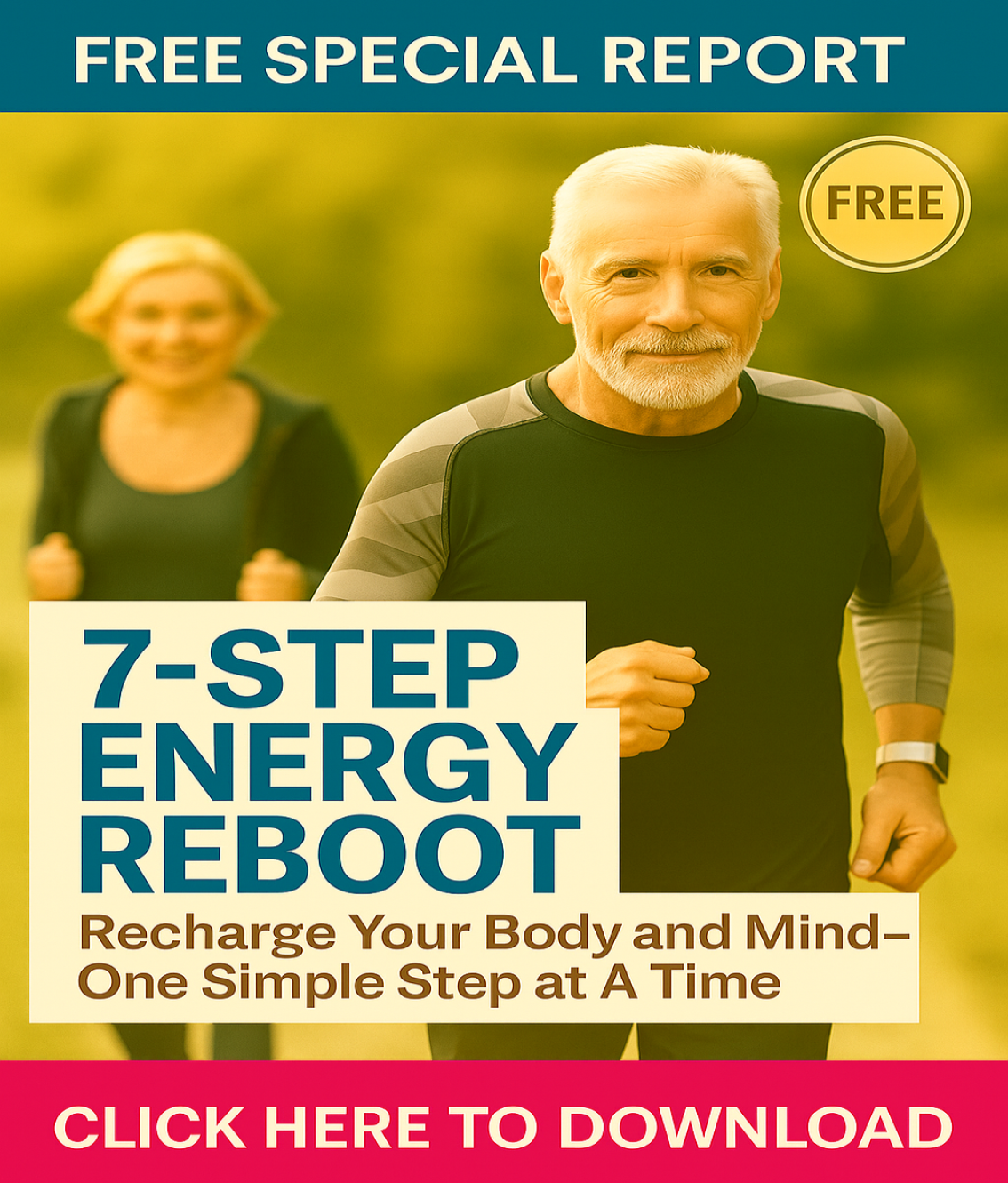
Laura is also the author of The 7 Step Energy Reboot.
It's a quick read with some really easy yet powerful ways you to immediately get more out of life.
Click below to get it for FREE.