

Have you ever wondered why sleep after 50 feels so different compared to years earlier?
Personally, it wasn’t something I consciously though about until I recently started wondering if my sleep patterns were normal for an active woman my age.
And here’s the thing…
Falling asleep is NOT the problem at all.
I’m actually REALLY good at that part now. Like ridiculously good at it…
Honestly, if falling asleep fast were an Olympic sport, I’d win a gold medal.
Staying asleep, though?
Well, that’s where things get complicated.
Because falling asleep used to be the hard part.
In my twenties and thirties, I could lie awake for hours replaying conversations, building mental to-do lists, and worrying about what I thought were urgent things…
Like whether I sounded weird when I said “you too” to the waiter.
But now my brain doesn’t struggle to power down…
It struggles to stay that way.
The 3:07 a.m. Wake-Up That No One Warned Me About
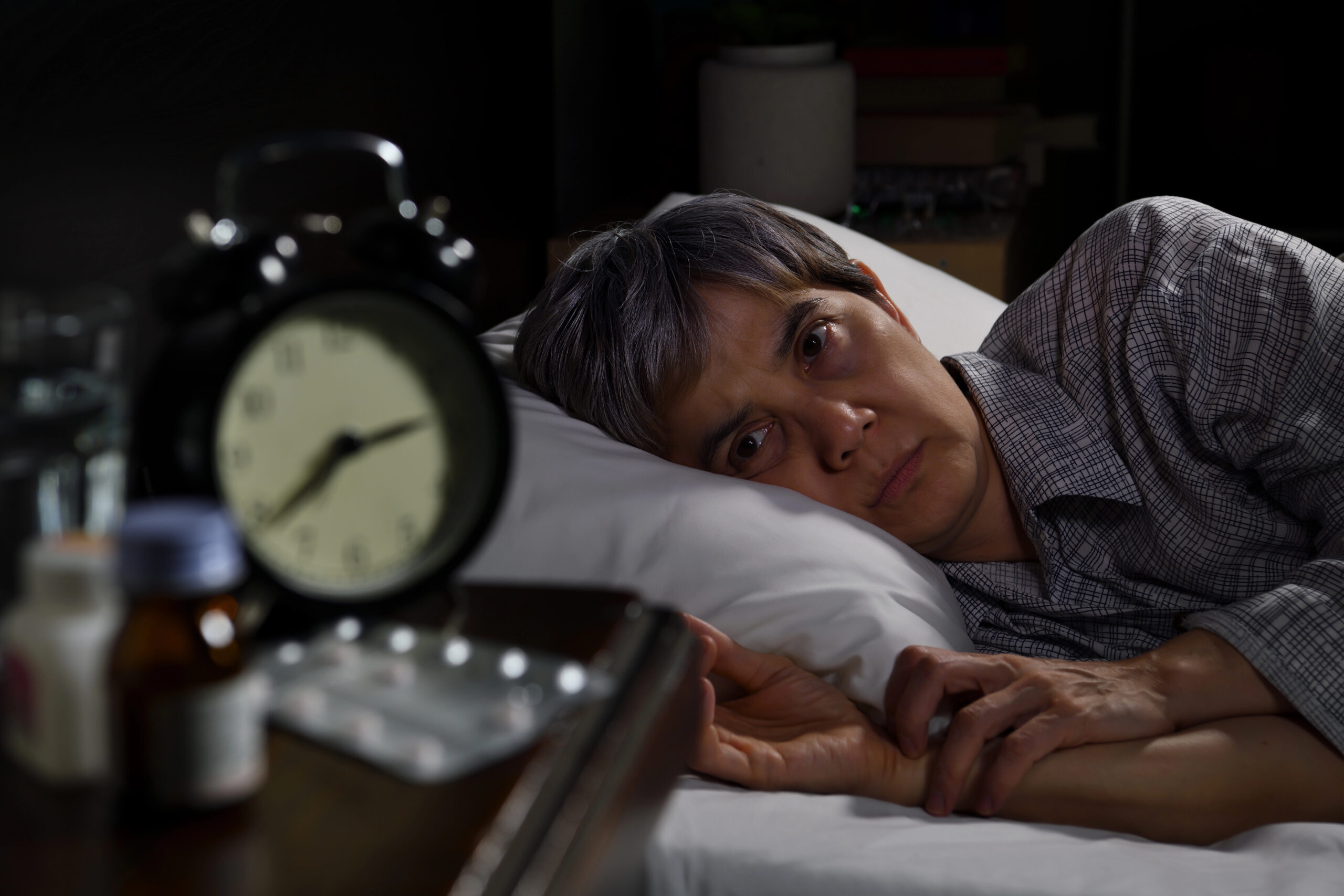
Almost every night it happens the same way.
3:07 a.m.
Wide awake.
Not panicked. Not anxious. Just alert.
Like someone flipped a switch and wandered off thinking this seemed like a good time.
What surprises me most about sleep after 50 is how polite the waking feels now. I don’t jolt awake the way I used to when stress was in charge.
It’s quieter. Almost gentle.
Like my body is tapping me on the shoulder and saying…
“Hey… since you’re up, we should probably talk.”
About what? That part is never very clear.
Some nights it’s nothing specific.
Other nights it’s everything.
Old memories drift through.
Tomorrow shows up early.
Yesterday makes an appearance.
Occasionally my brain decides 3:07 a.m. is the perfect time to remember the name of my 7th grade math teacher.  Why Sleep After 50 No Longer Feels Automatic
Sleep after 50 doesn’t feel automatic anymore.
It feels negotiated.
I used to think sleep worked like a switch.
On or off. Simple.
Now it feels more like a relationship that needs patience and a lot less force.
Because forcing it never works.
Lying there telling myself I should be asleep has never helped.
If anything, my brain treats that as an invitation.
Oh, you think we should be sleeping? Interesting.
Let’s review every awkward thing you’ve done since 1994.
That’s been one of the bigger shifts for me.
Sleep after 50 isn’t something you command. It’s something you cooperate with.

When Life Gets Quieter, the Brain Gets Louder
Some nights sleep feels harder simply because life is quieter now.
There’s less noise, less chaos, fewer distractions pulling at me from every direction.
Without all that external busyness, the internal stuff finally has room to stretch out.
I didn’t expect sleep after 50 to become reflective with the middle of the night turned into a strange pause where my body rests but my mind wanders.
Not frantically. Just thoughtfully.
Like my brain is sitting in a rocking chair in the dark saying, “So… should we talk about that thing you said at Christmas three years ago?”
It’s subtle. And that subtlety makes it harder to fix, because what exactly are you supposed to fix when your brain isn’t malfunctioning?
Why Most Sleep Advice Feels a Little Off
There’s no shortage of advice about sleep after 50.
Screens. Supplements. Routines. Temperatures. Timelines.
All of it urgent. All of it promising to give me back the sleep I used to have.
And listen, I love advice…
But some of it feels like it was written by people who have never woken up at 3:07 a.m. with a brain fully convinced it needs to solve everything before sunrise.
The truth is my body isn’t the same body it was at 30.
My days aren’t the same. My energy definitely isn’t the same.
Expecting sleep after 50 to behave exactly the way it once did feels a little unfair to both of us.
It’s like expecting old jeans to fit the same after 20 years and a few life events.
You can try. But at some point you’re just blaming denim for being honest.

What Helps More Than I Expected
Something interesting happens when I stop fighting being awake.
Sleep comes back faster. My body softens. The night feels less tense.
Not every time, but more often than before.
Perfect sleep isn’t the goal anymore.
Steady sleep feels better. Sleep that doesn’t feel like a test I’m failing.
Because I’m not failing. I’m just older. And apparently my brain now requires a brief check-in meeting sometime between 3 and 4 a.m.
What Sleep After 50 Might Be Asking For
Sometimes staying asleep after 50 isn’t about doing more. It’s about trusting more.
Trusting that my body still knows what it’s doing.
That rest can look different and still count.
Trusting that waking up in the middle of the night isn’t a flaw.
It’s information.
I fall asleep just fine.
Staying asleep? I’m learning to listen instead of wrestle.
Maybe that’s what this season is asking for.
Not control. But understanding.
And maybe a little less coffee after 2 p.m.
But, I’m still not emotionally ready to discuss that.

If You’re Curious…
Why do I wake up in the middle of the night after 50?
Sleep cycles often become lighter with age, and the brain may be more responsive to quiet, stress, or routine changes. Nighttime awakenings are common and not automatically a problem.
Is it normal to fall asleep easily but not stay asleep?
Yes. Many people after 50 fall asleep quickly but wake during the night. This doesn’t always mean poor sleep — it often reflects natural changes in sleep patterns.
How can I sleep better after 50 without forcing it?
Consistency, lower stress, and releasing the pressure to sleep perfectly often help more than strict rules. Accepting that sleep looks different now can help the body settle naturally.