Last week I found an old fitness magazine buried in a storage bin… right next to a tangle of phone chargers that definitely don’t belong to any device we still own.
On the cover was a young (pre-Terminator) Arnold Schwarzenegger, looking like a Greek god and promising that anyone could have 6 pack abs just like him…
“In Only 5 Minutes Per Day!”
Teenage me would have believed him. Fifty-three-year-old me looked at the cover, glanced down at my yoga pants and thought, “Bless your heart Governor”.
Somewhere between the aerobics craze and the Fitbit era, many of us absorbed the idea that being healthy meant chasing unrealistic goals.
But new research (thankfully) tells a different story.
So, let’s talk about what realistic fitness goals after 50 actually look like.
The 10,000-Step Myth and What Really Matters
For years, our step counters have scolded us with that five-digit number. But that famous 10,000-step goal didn’t come from doctors…
Nope. It came from a 1960s pedometer marketing campaign.
Better yet, research now shows something far gentler.
- 6,000 to 8,000 steps a day bring major health benefits
- Even 4,000 to 6,000 steps improve longevity and heart health
- Benefits begin to level off around 7,000 steps, not 10,000
Which is wonderful news if, like me, your fitness tracker likes to announce “You’re 7,000 steps short” just as you’re settling in with a good book.
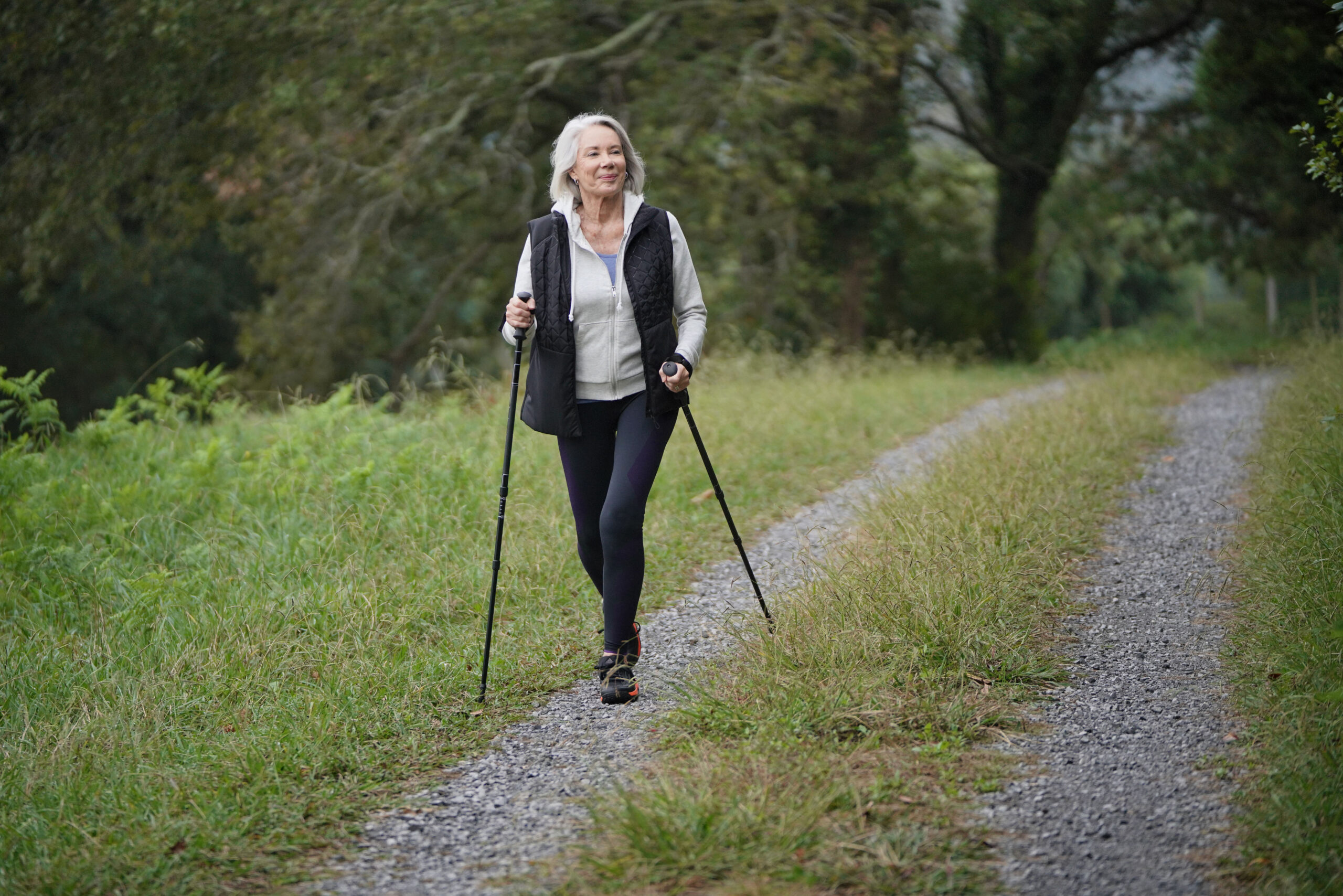
So walk the dog.
Dance in the kitchen.
Wander around the block with a friend.
Celebrate the steps you take… not the ones a marketing slogan says you should chase.
Why “50 Is the New 30” Isn’t Helping
I love a flattering slogan as much as anyone, but “50 is the new 30” can quietly set us up for disappointment.
It makes us feel like we should still run, lift and recover the way we did at 25.
Science gently disagrees.
Muscle mass and performance peak in our 30s and naturally decline afterward.
Tendons tighten. Recovery time stretches out.
Our joints like to make little noises now… which I choose to interpret as applause.
Trying to train like we did decades ago isn’t motivational. It’s a shortcut to injury.
Instead of feeling guilty for needing longer warm-ups or extra stretching, treat those needs as your body offering kind feedback.
Seriously, I once tried a trendy boot camp and spent a full week waddling like a penguin.
Now I choose hikes with friends or gentle strength routines that make me feel challenged without leaving me in recovery purgatory.
Fitness Matters More Than Weight
Here’s a shift that feels like a breath of fresh air.
Recent research shows that fitness predicts longevity much better than weight does.
Meaning…
- Fit people of any size tend to live longer than thin but unfit people.
- Movement improves heart, brain and muscle health even when the scale doesn’t budge.
- Strength and stamina matter far more than the number on a bathroom scale.
You’re not a before-and-after photo. You’re a whole person living a full, evolving life.
And the goal is feeling strong enough to carry groceries, climb stairs and chase grandkids…
… not shrinking yourself into an old jeans size.
5 Easy Ways to Be Healthier At Any Age
If you want a simple, research-supported place to start, try these tiny habits.
Aim for 4,000 to 7,000 Steps
Begin with a 10-minute walk. Add a little more when it feels good. Stop before your watch becomes bossy.
Break Up Your Sitting Time
Walk during phone calls. Take the stairs. Tidy one corner of a room. All those minutes add up quietly.
Choose Joy Over Intensity
Pickleball, swimming, gardening, dancing…
Movement that feels fun stays in your life longer than workouts you dread.
Strengthen Gently
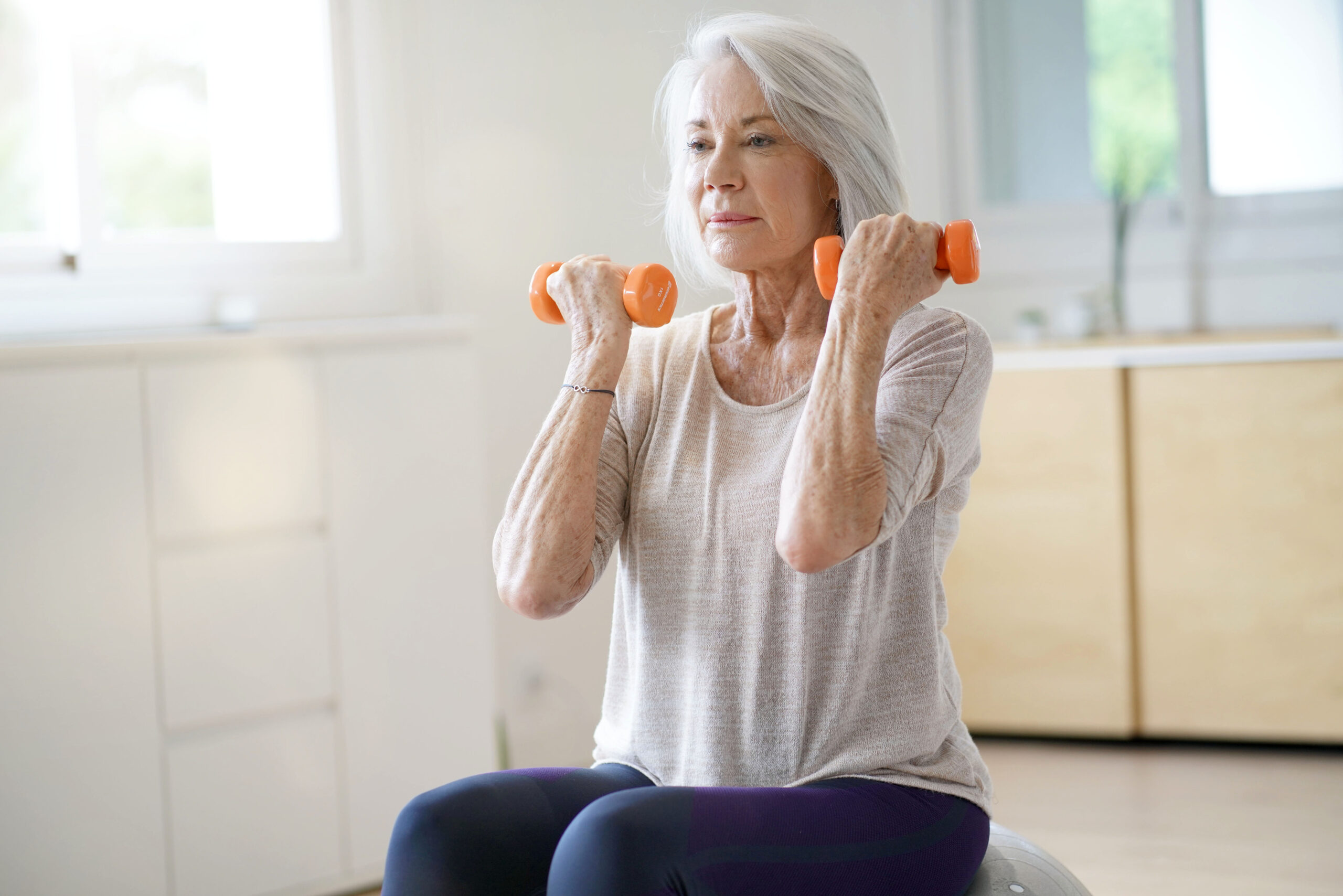
Wall push-ups, resistance bands, simple bodyweight moves. Enough to wake up your muscles without overwhelming your joints.
Celebrate How You Feel
Better sleep. Improved balance. More energy. These are the real success markers.
A More Realistic Way to Think About Fitness After 50
Here’s the mindset shift that changed everything for me.
More isn’t better. Better is better.
When I catch myself comparing my body to the marathon-running “superagers” on social media, I remind myself that those stories are exceptions, not expectations.
Most of us build longevity through small daily choices that fit into real life.
- Walks with a friend.
- Stretching while the coffee brews.
- Lifting soup cans between Jeopardy! clues.
- Laughing at the memory of those old workout magazines.
So when your inner critic whispers that you should look like Arnold circa 1980, smile kindly and say, “Bless your heart Governor.”
Then lace up your shoes, turn on your favorite playlist and move in a way that feels good…
Move in a way that feels like you.
That’s realistic fitness after 50.
Steady. Joyful. Sustainable.
Author
-
Laura is the editorial voice of Living Better After 50.
She focuses on writing about energy, reinvention, and the small habits that help everyday life feel calmer and more fulfilling for people over 50.
Her work blends humor, lived-in wisdom, and practical encouragement in a way that is NEVER preachy or boring.
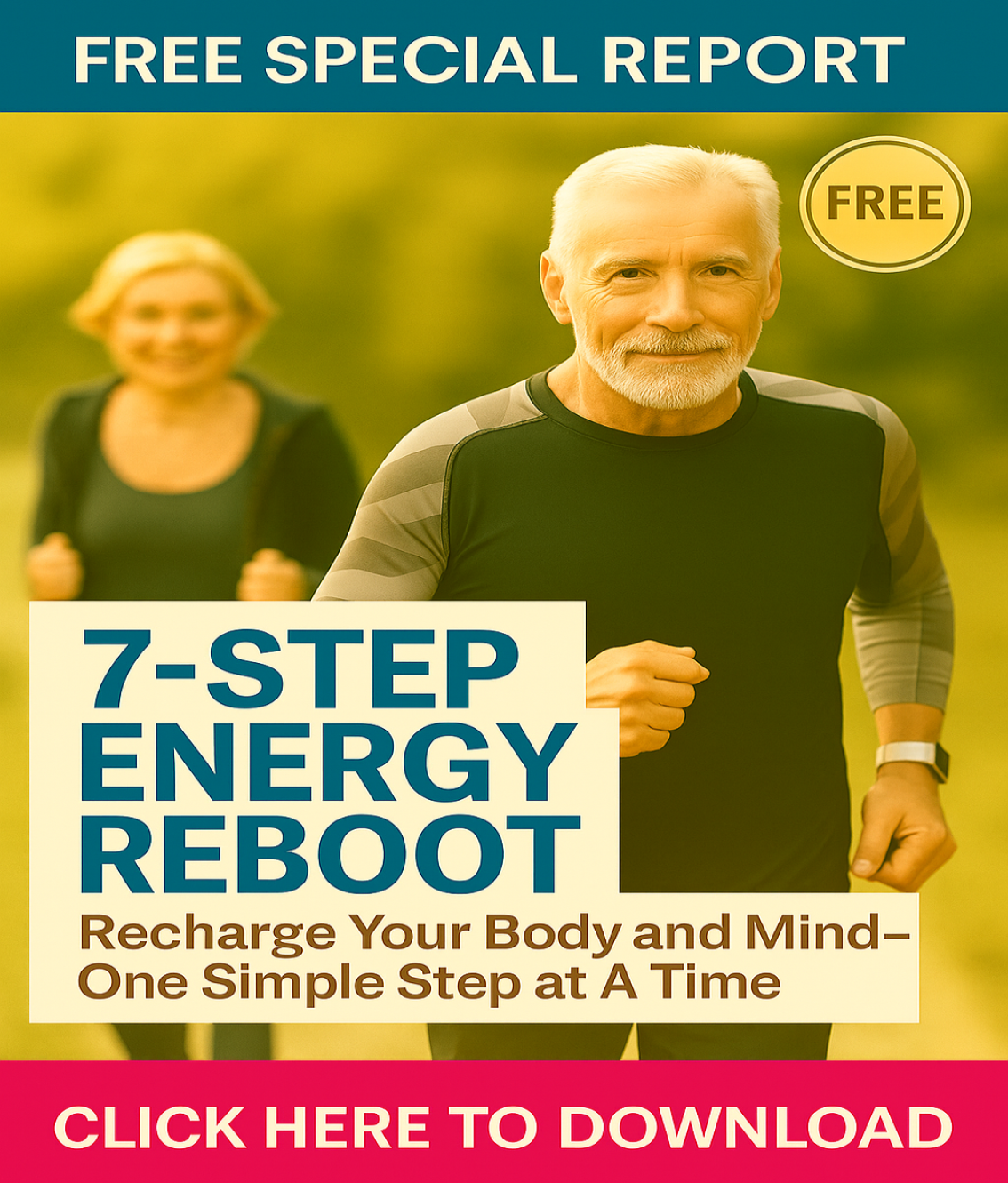
Laura is also the author of The 7 Step Energy Reboot.
It's a quick read with some really easy yet powerful ways you to immediately get more out of life.
Click below to get it for FREE.