I would rather spend eternity reliving my junior high school years than schedule a doctor’s appointment.
And my voicemail inbox is a monument to my avoidance strategies. Yep, I will do literally anything to avoid a call from my doctor’s office — including ignoring my own well-being.
Admittedly, not a great long term health strategy. But so it went for awhile.
As my fiftieth birthday came and passed – every reminder to “call the doctor” felt like a pesky fruit fly.
Annoying. Persistent. Easy to swat away.
This was until one of my husband’s good friends suddenly passed away at the much too young age of fifty three.
It was a shocker as he looked to be in good health.
Not overweight. Stayed active.
But he wasn’t getting regular check ups, and there was a heart issue he didn’t know about.
It was a big wake up call for us and that’s when I decided to make regular health screenings a priority.
If this is hitting home at all, then please keep reading…
Why Health Screenings Matter More After 50
As we get older, health conditions can develop quietly — often without symptoms while we’re busy living our lives.
Routine health screenings aren’t a response to something being “wrong”; they’re a way to catch issues early.
After 50, preventive care works best when it’s focused on staying in charge rather than bracing for bad news.
It’s Maintenance, Not Bad News Hunting

Somewhere around age 50, many of us start to conflate “going to the doctor” with “bracing for impact.”
That tension makes sense.
Healthcare appointments can feel loaded.
But preventive screenings are more like changing the oil or checking your tire pressure.
Boring.
Necessary.
Oddly satisfying when everything checks out.
When your blood pressure comes back below 120/80, it’s like your mechanic saying,
“No leaks. You’re good to go.”
When your cholesterol looks fine, you get to pat yourself on the back and move on with your day.
Preventive exams aren’t here to ruin your afternoon.
They’re here to give you peace of mind — and to catch things early, when they’re easier to manage.

The After 50 Health Screening Checklist
This is an non-clinical overview of common health screenings recommended after 50.
I’m not a doctor — just a woman with a calendar and a growing appreciation for prevention.
Always talk with your healthcare provider about what’s right for you.
Think of this as a starting point, not a mandate.
1. Know Your Health Numbers
Blood pressure screening
High blood pressure often has no symptoms, yet it’s a leading cause of heart disease and stroke. Most adults should have blood pressure checked yearly. Normal is under 120/80 mmHg.
If your numbers are higher, that doesn’t mean you’ve failed.
It means you have information — and options.
Cholesterol and triglyceride testing
High cholesterol can quietly clog arteries for years. Adults over 45 typically have cholesterol checked at least every five years.
If you have diabetes, a family history of heart disease, or other risk factors, testing may happen more often.
This is about awareness, not alarm.
Blood sugar and diabetes screening
Type 2 diabetes can affect nerves, eyes, and kidneys long before symptoms appear. Screening usually begins at age 45 and repeats every three years.
Earlier or more frequent testing may be recommended if you have additional risk factors.
Knowledge here is protective — not judgmental.

2. Cancer Screenings to Discuss After 50
Colorectal cancer screening
Screening saves lives by finding precancerous polyps early. Most adults begin colorectal screening after 45 and continue through age 75.
Options include colonoscopy every 10 years or stool-based tests done annually or every three years. Your provider can help you choose what fits your risk level and comfort.
Breast cancer screening (for women)
Mammograms help detect breast cancer early. Many women continue yearly screening until age 54, then move to every other year — though yearly screening remains an option.
Family history may influence when and how often you screen.
Cervical cancer screening (for women)
Pap tests detect early cervical changes. Most women screen every three years, or every five years with combined Pap and HPV testing.
After age 65, screening schedules may change depending on prior results.
Prostate cancer screening (for men)
There’s no one-size-fits-all approach. Men often begin discussions around age 45 about PSA blood tests and digital rectal exams.
Personal and family history matter here.
Lung cancer screening (for current or former smokers)
Adults aged 50–80 with a significant smoking history may benefit from annual low-dose CT scans.
Early detection improves outcomes — and preserves choice.

3. Other Preventive Health Checks After 50
Depression screening
Mental health is part of preventive care. Routine depression screening is often included during checkups.
Think of it as checking your mind’s oil level.
Bone density testing
Women at higher risk for osteoporosis may consider bone density testing around menopause. Men often discuss screening later, around age 70.
Strong bones support independence and mobility.
Vision and hearing exams
Vision exams every 1–3 years can catch glaucoma and other issues early. Hearing checks help you stay connected — to conversations and to the world around you.
Immunizations
Annual flu shots remain important. Vaccines for shingles, pneumonia, and tetanus are worth reviewing with your healthcare provider.
Peace of Mind Is Underrated

Here’s what surprised me.
Every time I cross one of these screenings off my list, I feel a small surge of relief.
No doom.
No gloom.
Just information.
If something needs attention, I can address it early.
If everything looks good, I get to move on — lighter, calmer, and more in control.
This isn’t about finding problems.
It’s about staying informed.
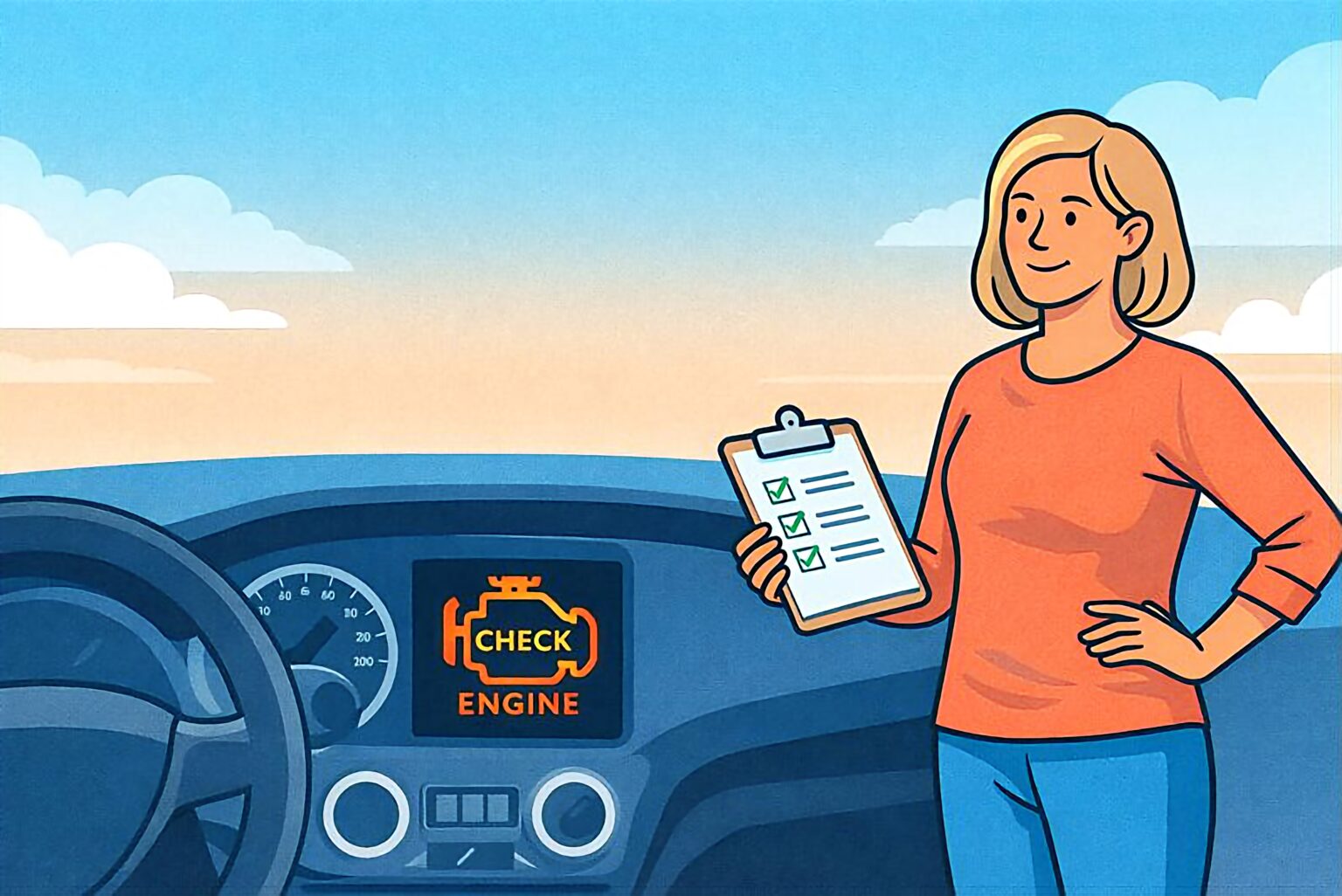
You wouldn’t drive across the country with your “Check Engine” light on.
Health screenings at 50 are how you turn that light off — before it ever starts blinking.

Frequently Asked Questions About Health Screenings at 50
What health screenings are most important at age 50?
Common screenings include annual blood pressure checks, cholesterol and diabetes testing every 3–5 years, and colorectal cancer screening. Women should continue mammograms and cervical cancer screening, while men should discuss prostate and lung cancer screening with their healthcare provider.
If I feel healthy, do I still need a colonoscopy or stool test?
Yes. Colorectal cancer often begins without symptoms. Regular screening starting in your mid-40s helps catch changes early, when treatment is most effective.
What is normal blood pressure in your 50s?
For most adults, normal blood pressure is below 120/80 mmHg. Readings that stay higher over time should be discussed with a healthcare professional.
How often should I get blood work after 50?
Many adults have cholesterol and blood sugar checked every 3–5 years, though testing may be more frequent if you have risk factors or a family history of certain conditions.
Medical Disclaimer:
This article is for informational and educational purposes only and is not intended as medical advice. I am not a doctor, dietitian, or healthcare provider, and the information shared here should not replace professional medical guidance.Every body is different — especially in midlife — and factors such as medications, medical conditions, and individual health history can affect screening recommendations. Always consult your physician or qualified healthcare professional before making decisions about your health or screening schedule.
If you are experiencing concerning symptoms, unexplained changes in health, persistent anxiety or low mood, or thoughts of harming yourself, please seek medical or mental health support right away.