It wasn’t the two glasses of wine that caused the dizzy feeling. Nope…
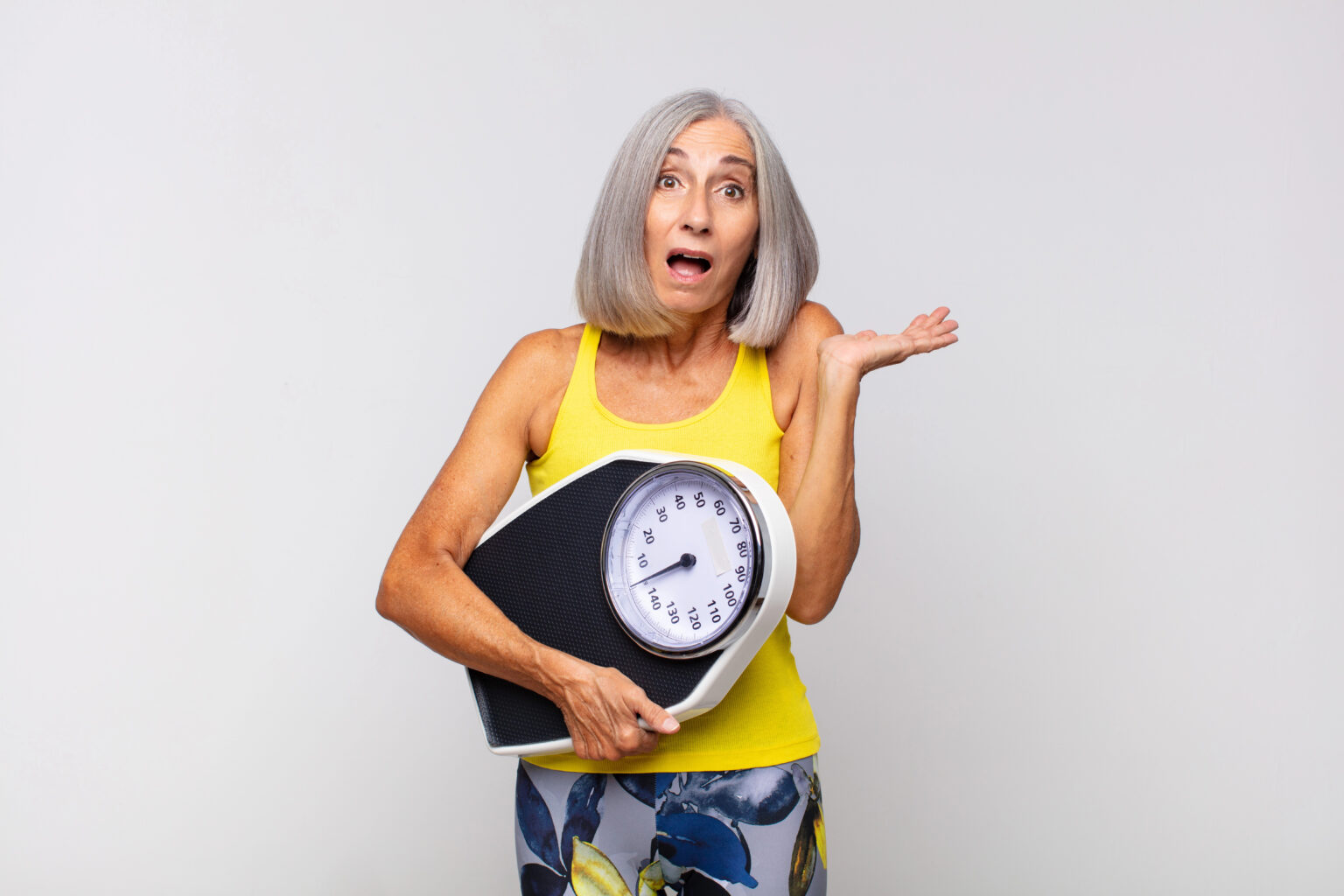
It was the bathroom scale I had stepped onto in a momentary lack of better judgement.
Yes – the reality of weight loss after 50 hit me straight between the eyes.
And what had gone suddenly (to me anyways) wrong?
I’d been doing all the same things I always did…
Walking the dog…
Doing yoga with my sister-in-law (okay, occasionally)…
Eating salads like a very committed rabbit…
Only to step onto that evil little device and be instantly judged by it. .
I looked down.
Looked up.
Looked down again.
As if sheer eye contact might change physics.
Ugh. I swear my metabolism and I used to be friends…
Now we’re more like co-workers who pass in the hallway with polite nods.
If you’ve gone through anything similar, here’s what I’ve discovered:
Why Weight Loss After 50 Feels Different

Research shows that middle-aged women gain about 1.5 pounds per year, and that weight gain tends to collect around the abdomen.
This isn’t because you’re lazy — it’s because age-related muscle loss, hormonal shifts, sleep disturbances, and stress make weight management more complex.
After 50, weight management works best when it focuses on building muscle, eating whole foods, moving consistently, and reducing stress.
It’s Physics, Not Failure

Once I stopped muttering at my scale, I started reading.
Here’s the thing: our bodies aren’t conspiring against us.
They’re adapting.
Beginning in our mid-40s, muscle mass naturally declines, and fat slowly moves into the spaces muscle used to occupy. This process — sarcopenia — can slow metabolism and make weight management trickier.
Women navigating perimenopause and menopause also experience hormonal shifts that affect sleep, energy, and where fat prefers to set up camp.
Add less daily movement, chronic stress, and not-enough sleep, and suddenly your jeans are staging a protest.
But none of this is a moral failing.
You’re not “letting yourself go.” You’re responding to a body that’s changing.
My old routine — skipping breakfast, drinking coffee, and running on adrenaline — used to work.
Now my body wants protein, rest, and slower mornings.
So, I’m simply adapting to changes.

How to Work With Your Metabolism After 50
Here are five (okay, maybe six) ways I’ve learned to partner with my midlife body instead of fighting it.
Spoiler: none involve magic detox teas.
1. Lift Something Heavier Than Your Purse
Muscle is your metabolic engine.
After 50, we lose about 1% of muscle mass per year. Less muscle means a slower metabolism. Strength training — whether with body weight, dumbbells, or resistance bands — helps rebuild muscle and support calorie burn.
Health experts recommend two to three strength-training sessions per week to maintain muscle mass.
Translation? Pick up the weights.
Your bones, joints, and yes — your jeans — will thank you.
2. Move Like You Mean It

Cardio still matters.
Not because it “burns off” dessert (we’re done with that mindset), but because it supports heart health, mood, and daily energy. Aim for about 150 minutes of aerobic movement per week.
Everyday movement counts too.
Standing up every hour.
Taking the stairs.
Walking the dog a little longer.
This isn’t about punishing workouts. It’s about weaving movement into your actual life.
3. Pump Up the Protein
Protein isn’t just for bodybuilders and people who own shaker bottles.
Eating enough high-quality protein — fish, beans, yogurt, chicken — helps slow muscle loss and keeps you satisfied longer.
Research suggests older adults benefit from about 1–1.3 grams of protein per kilogram of body weight.
That might look like:
- An extra egg at breakfast
- Greek yogurt instead of toast alone
- Lentils added to soup
Nothing dramatic. Just intentional.
4. Eat Real Food, Not “Diet Food”

Our parents’ diet books were obsessed with calorie counts.
Now we know better.
Food quality matters more than strict numbers.
Focusing on whole foods — vegetables, fruits, whole grains, lean proteins — while limiting ultra-processed options supports both weight and overall health.
Cooking at home helps too. It’s easier to control ingredients and avoid “mystery calories.”
You don’t have to cut carbs out of your life.
(I tried that once. It was not pretty.)
5. Sleep, Stress, and the Case for Slow & Steady
Sleep disturbances and chronic stress don’t just affect your mood — they affect your waistline.
Midlife insomnia is linked to increased calorie intake and poorer food choices.
Chronic stress releases hormones that encourage fat storage (especially right where we don’t want it).
Make rest non-negotiable.
That might mean a consistent bedtime.
A five-minute breathing break.
Or saying no one extra time this week.
Patience matters here.
Weight changes after 50 respond far better to slow, sustainable habits than to crash diets. Step away from anything promising you’ll “lose 20 pounds in 10 days.”
Your body has seen enough drama.

6. Ask for Help When You Need It
If you’re doing “all the right things” and still struggling, it’s okay to ask for support.
A registered dietitian can tailor a plan. A healthcare professional can rule out underlying issues.
Mental health matters too — grief, anxiety, and depression often show up on the scale.
And just to be clear: I’m not a doctor. Nothing here replaces professional medical advice.
If you’re experiencing persistent sadness or thoughts of harming yourself, please seek help right away.
Reframing the Relationship
The most radical shift for me?
Treating weight as information — not judgment.
When the scale climbs, I ask different questions now:
- Did I sleep?
- Am I stressed?
- Have I lifted anything heavier than my purse lately?
I remind myself that menopause and muscle loss are part of the equation.
My metabolism isn’t sabotaging me.
It’s asking me to update my user manual.
Yes, my 30-year-old metabolism was a BFF.
Now we’re co-workers — with boundaries, mutual respect, and fewer all-nighters.

Frequently Asked Questions About Weight Loss After 50
How can I boost my metabolism after 50?
Building muscle through strength training and eating enough protein are key. Moving more throughout the day and managing stress also make a real difference.
Is it normal to gain weight during menopause?
Yes. Hormonal shifts can slow metabolism, affect sleep, and change fat storage. Weight gain — especially around the abdomen — is common, but not inevitable. Strength training, balanced nutrition, and stress management help.
Should I try extreme diets to lose weight quickly?
No. Rapid weight-loss plans often backfire by slowing metabolism and increasing muscle loss. A slow, steady approach works better — and feels better — in the long run.
Medical Disclaimer:
This article is for informational and educational purposes only and is not intended as medical advice. I am not a doctor, dietitian, or healthcare provider, and the information shared here should not replace professional medical guidance.
Every body is different — especially during midlife — and factors such as medications, medical conditions, and individual health history can affect weight, metabolism, and energy levels. Always consult your physician, registered dietitian, or qualified healthcare professional before making changes to your diet, exercise routine, or health plan.
If you are experiencing unexplained weight changes, ongoing fatigue, sleep disruption, mood changes, or persistent distress about your health or body, please seek personalized medical or mental health support.