
Every now and then, I reach a point where I’m ready for a BIG TIME reset!
I’m not sure how things have been going for you lately, but health issues, work-related stress, and the realities of getting “older” have left me feeling a bit beat up.
But have no fear, my Living Better After 50 friends. We’re here to help each other thrive, so I wrote this article to give you (and ME) some inspiration.
No impossible resolutions. No punishing routines. Just five easy ways to feel stronger, healthier, and more alive after 50.
1. Start Each Day Off the RIGHT Way

Most people think they need a dramatic morning routine to feel healthier. They don’t.
One small win is enough to shift the direction of your entire day.
Here are a few ideas almost anyone can do in under two minutes:
- Drink a full glass of water
- Stretch your arms overhead
- Make your bed
- Take 10 slow breaths
- Step outside for 60 seconds of sunlight
These habits seem simple, but they can help reset your focus.
They create a sense of “I can do this,” which is something we all need when life gets heavy and our energy feels unpredictable.
Small wins can also help:
- Lower stress
- Settle your nervous system
- Build momentum
- Make bigger changes feel easier
If you’re feeling overwhelmed, start here. Not with a huge overhaul. Just one easy daily action that reminds your body it’s still capable of feeling better.
2. Move More… Without an ER Visit

Somewhere along the way, “exercise” started sounding like punishment.
Especially after 50, when recovery takes WAAAAY longer.
But the truth is that you don’t need intense workouts to feel stronger.
You just need to move more and treat your body more kindly.
Think:
- Slow walks
- Light stretching
- Easy mobility in the kitchen while your coffee brews
- Standing up every 30 to 40 minutes
- A few minutes of movement before bed
Gentle movement can help:
- Reduce stiffness
- Improve circulation
- Ease tension
- Boost your mood and energy
And it’s sustainable.
- It doesn’t push your body to exhaustion.
- It doesn’t require equipment.
- It helps your body loosen, lengthen, and cooperate again.
Give yourself permission to move in ways that feel good instead of punishing. Your spine (and your spirit) will thank you.
3. Say “No” More Often (It’s Okay to Put Yourself First)

Feeling drained isn’t always about sleep or diet. Sometimes it’s about taking on too much emotionally, mentally, and physically.
Many of us over 50 are carrying far more responsibility than people realize.
When we overload ourselves, our nervous system can stay in stress mode. That tension often shows up in our:
- Shoulders
- Hips
- Jaw
- Lower back
Sometimes the body feels that overload long before we acknowledge it emotionally.
Setting boundaries is a health habit.
A gentle, “I can’t do that this week.”
Or, “I’d love to help, but I need a lighter day.”
Small boundaries can help:
- Reduce daily stress
- Support better sleep
- Give your body space to breathe
- Calm some of the tension that can make pain feel worse
If you often feel stretched thin, make the decision to protect your time, your nervous system, and your peace.
You really can feel the difference.
4. Fix Your Sleep to Restore Balance

If there’s one thing that quietly affects almost everything, including mood, weight, pain levels, and energy, it’s sleep.
Yep, your body does important recovery work overnight:
- Spinal discs rehydrate
- Muscles release tension
- Hormones rebalance
- Inflammatory activity can settle
- The nervous system gets a chance to reset
When sleep suffers, everything else feels harder.
The good news? Improving your sleep doesn’t require perfection.
Start with a few consistent habits, like:
- A set bedtime
- Less screen time at night
- A cooler, darker room
- A simple five-minute wind-down routine
- Avoiding heavy late-night snacks
- Light stretching or breathwork before bed
A little more sleep support each night can make a noticeable difference in how alive you feel during the day.
5. Connect With Other People

Here’s something we don’t talk about enough: Feeling better isn’t just physical. It’s emotional, too.
As we get older, our social circles often shrink quietly, gradually, and unintentionally. But meaningful connection is a genuine health tool.
Being around people who make you feel understood can:
- Lower stress
- Support emotional resilience
- Improve pain tolerance
- Encourage healthier daily habits
- Lift your mood and motivation
Connection doesn’t need to be big or complicated:
- Coffee with a friend
- A weekly class
- A neighborhood walk
- A volunteer shift
- A phone call with someone who “gets” you
These small moments tell your nervous system, “You’re supported.”
When the body feels safe and connected, movement can feel easier and life can feel lighter. If you want to feel more alive after 50, start with the relationships that make your heart feel lighter.
BONUS: The Gentle 15-Minute Routine Helping Thousands Move With Less Back Pain

I saved this for last because it deserves its own spotlight.
Everything we’ve mentioned so far can help you live better. But if you’re one of the millions of adults over 50 living with chronic back pain, you may need something more specific.
Not another punishing workout. Not another online fad. And not a routine that expects you to force your way through pain.
Instead, this approach uses about 15 minutes a day to retrain how your body supports movement.
More than 30,000 men and women have joined the program, and here’s how you can experience it for yourself with a free 7-day trial.
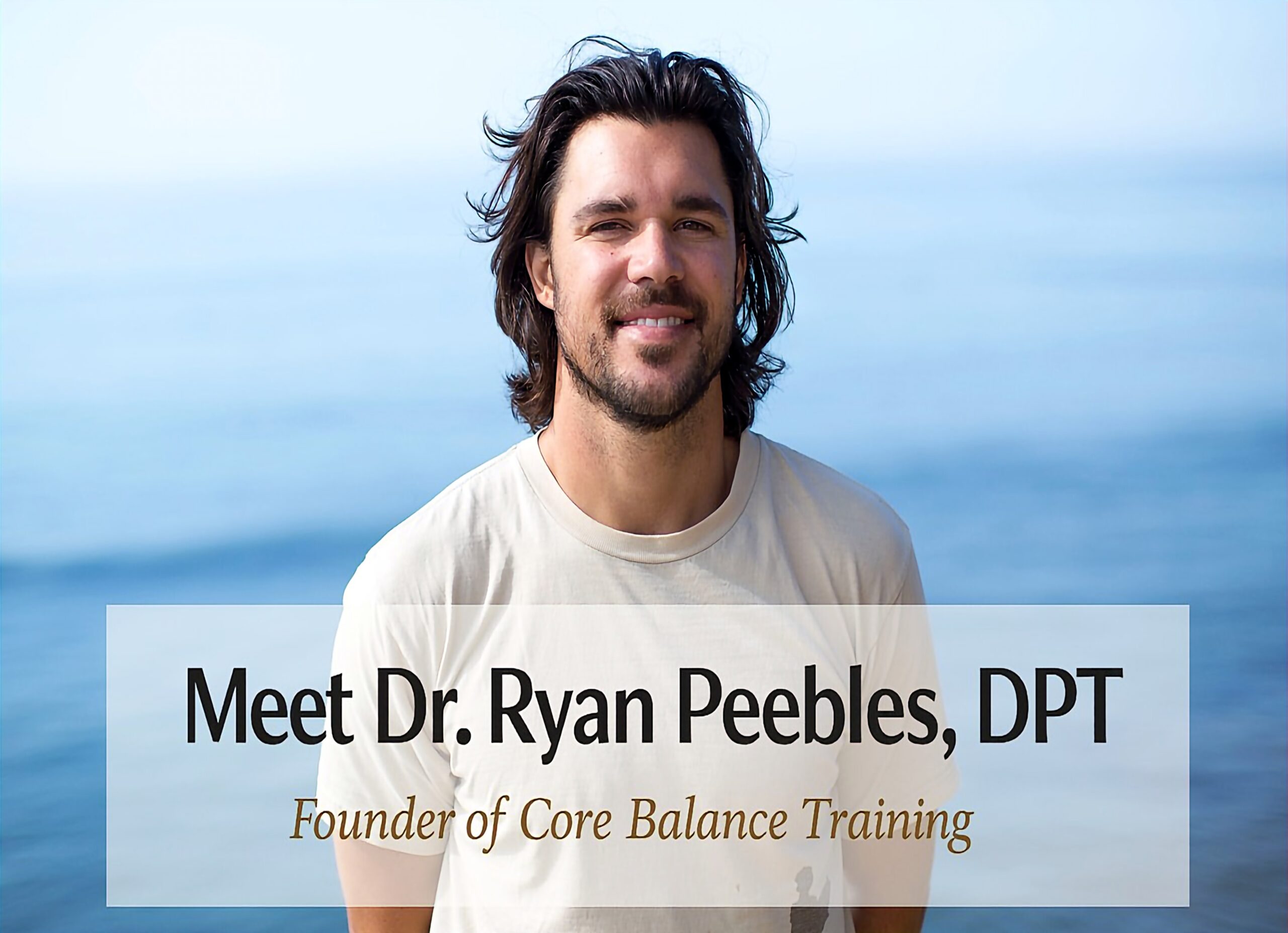
Core Balance Training is a gentle, floor-based, at-home program created by Dr. Ryan Peebles, a Doctor of Physical Therapy who spent more than a decade dealing with chronic back pain himself.
His method teaches your body how to:
- Activate deep core stabilizers
- Reduce overcompensation patterns
- Coordinate your pelvis, ribs, and spine
- Calm muscles that have been gripping for years
- Move with more ease and less bracing
The program features short, structured video lessons that take about 15 minutes a day.
Its gentle, progressive structure is one reason many adults over 50 find it approachable, even if they haven’t exercised in a while.
Why Core Balance Training Works Differently

Most programs focus on strengthening the larger muscles.
Core Balance Training focuses on reconnecting the stabilizers, the quieter muscles that help support alignment and controlled movement.
When those stabilizers aren’t coordinating well, other areas can start working overtime:
- Backs tighten
- Hips grip
- Knees ache
- Shoulders rise
- Necks strain
Core Balance Training gently teaches your body to engage the right support muscles so the overworked muscles can begin doing less.
Participants describe the changes as:
- “Finally feeling supported again”
- “Moving without fear”
- “Waking up less stiff”
- “Standing taller and walking easier”
It’s not about intensity.
It’s about retraining how your body moves.
How You Can Try Core Balance Training for Free
A No-Pressure Way to Begin
Explore Core Balance Training Free for 7 Days
Use the trial to explore the lessons, experience the gentle approach, and decide whether Core Balance Training feels right for your body and your life.
- About 15 minutes a day
- 12 progressive modules
- Weekly live Q&A and support
Free for 7 days • No charge during the trial • Cancel before the trial ends if it isn’t right for you
Before Dr. Ryan ever became a doctor, he was a young surfer and athlete dealing with serious back pain of his own. He was even told that his back was in such bad shape he could eventually end up in a wheelchair.
Rather than simply accept that prediction, he dedicated his life to understanding the underlying causes of chronic back pain.
That work led him to develop Core Balance Training, the system he says helped him overcome his own pain and has now helped thousands of other people return to more active lives.
The free trial gives you the opportunity to experience the same foundational approach without deciding today whether you want to continue.
You Don’t Have to Decide Today
Give Your Body Seven Days to See How It Responds
You don’t need a gym, complicated equipment, or punishing workouts. Start at home with about 15 minutes a day and see what the right kind of guidance can help you do.
- Free access for 7 days
- No charge during the trial
- Cancel or continue as needed
Try Core Balance Training Free
If you continue after the free trial, the program is currently $99 per month